

05-26-2010, 09:54 PM
ocalicreek Wrote:It's only counterintuitive based on model railroad trends (no doubt foisted on unsuspecting modelers through the major publications...just kidding...mostly). Basing what we model on REAL LIFE can be different from inherited modeling practices. You go right ahead and make 'em shine. I think it's great!
Not sure how to help with the dust problem...perhaps running a humidifier or dehumidifier in the room a while before painting? Or perhaps one of those ionic breeze air movers?
Galen
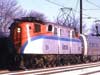
I also blame the major modeling publications . Its the same problem with all those Amfleet cars. Those Amtubes, even when dirty, are still super reflective, yet every manufacture paints them with that crazy "platinum mist" color. Meanwhile, they go and chrome-plate some Superliners that aren't nearly that shiny! it makes no sense. I've seriously considered masking the windows and stripes of my current amfleets and giving them a chroming as well.
I wish i could fix the dust issue. Its never a problem until i bust out the chrome paints, I think the problem is i can only really spray in the basement, which is horrific with the dust ( so even though i didn't put the model down, there may be more in the air than i saw). True, it was a beautiful day outside today, so maybe i'll try going outside next time. there may be less dust in the air.
BR60103 Wrote:Gus: most electric railway systems used a wire or third rail for the power and the rails for the return. Some systems had 2 power wires because the local authorities didn't trust the conductivity of the tracks. Cincinatti street cars had 2 poles, like trolley buses, while the London Underground has an outside power rail and an inside power rail. Some systems had 2 wires in a tube under the street (Washington, DC). Double overhead wires had to be insulated just like HO turnouts.
Actually, the original Great Northern electrification through the cascade tunnels ALSO had dual wires with separated pantographs. I think after some avalanche they switched over to a single wire-rail combination.
Modeling New Jersey Under the Wire 1978-1979.
![[Image: logosmall.png]](http://i543.photobucket.com/albums/gg445/CAB_IV/Model%20Trains%202013/logosmall.png)